Category: Natural
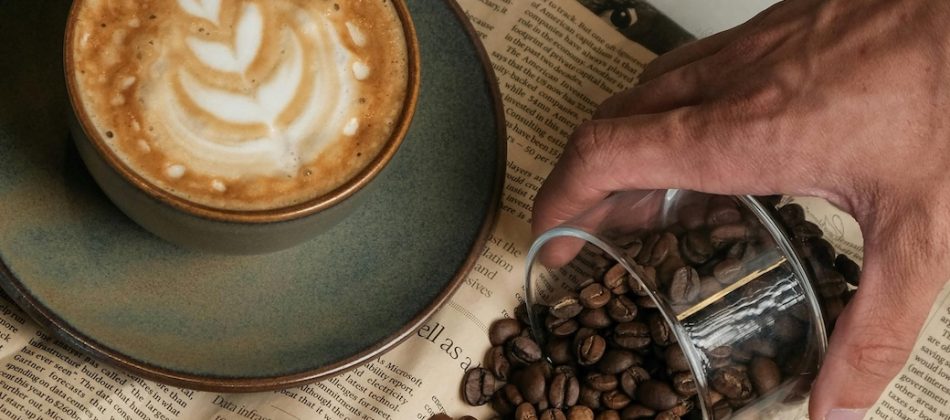
Everest Organic Coffee Nepal: Taste the Himalayas in Every Cup
Coffee is more than a drink—it’s a journey of flavor, culture, and connection. At Everest Organic Coffee Nepal, we bring you 100% organic Arabica coffee grown in the pristine Himalayan foothills of Nepal. With every sip, you experience not just premium-quality beans, but also the story of our farmers, our land, and our commitment to sustainability.
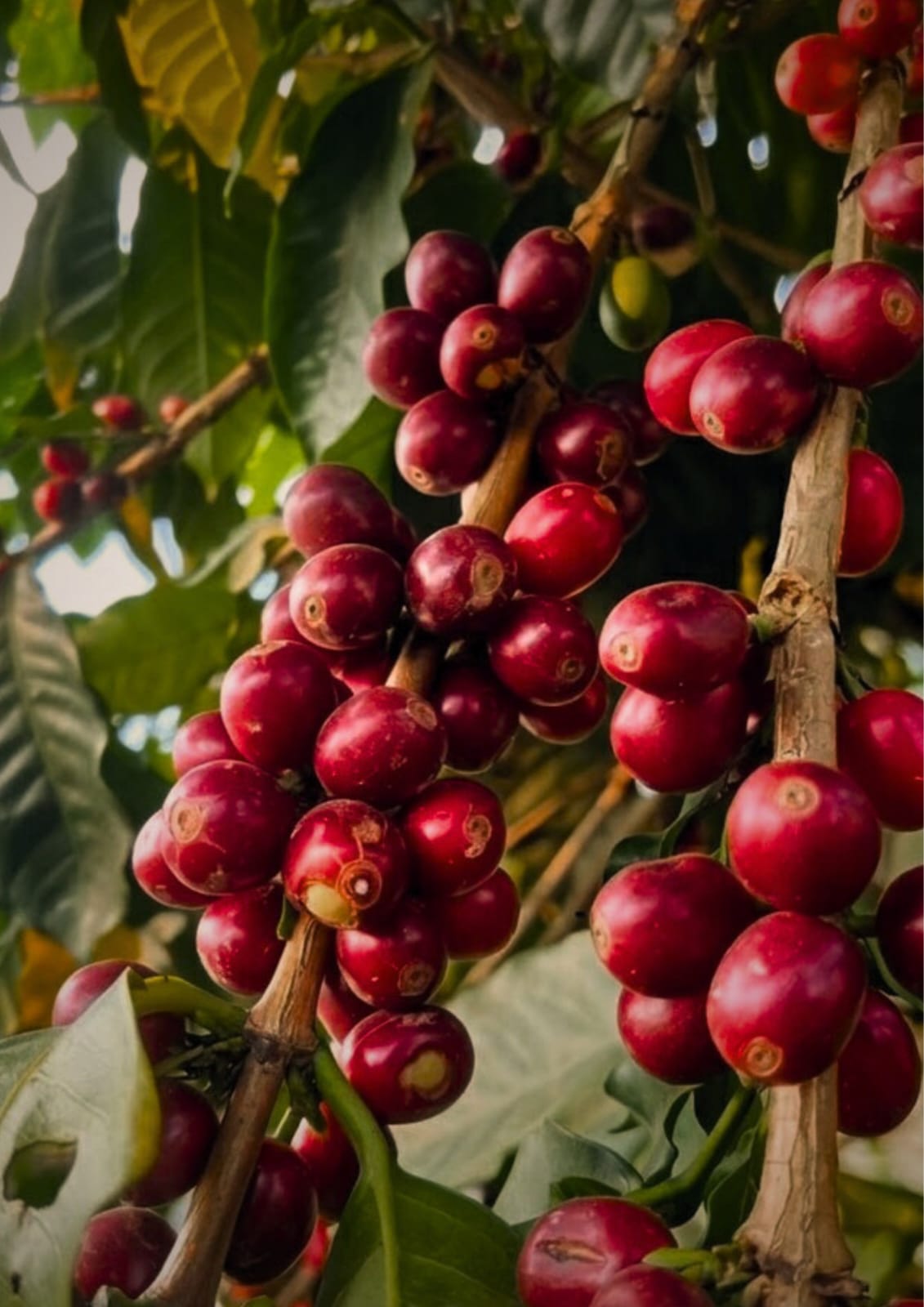
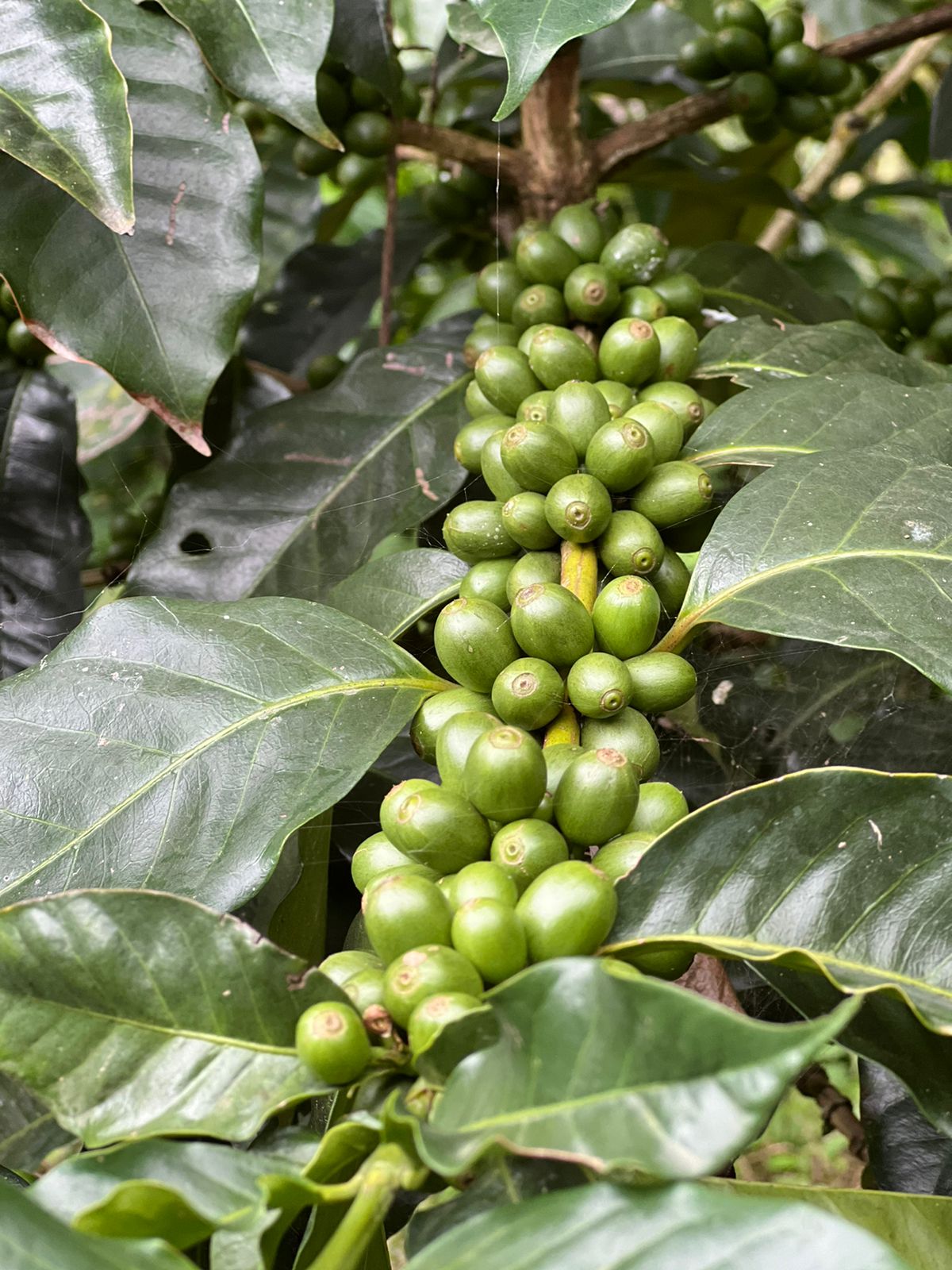
Everest Organic Coffee is grown in the pristine Himalayan foothills of Nepal at high altitudes, producing 100% organic Arabica beans with a naturally rich flavor. Our combination of traditional farming methods and guidance from global coffee experts ensures premium quality in every cup.
Our coffee is cultivated across four regions in Nepal: Rasuwa (1300m), Dhankuta (1200m), Parewakot (950m), and Makwanpur (1200m). Each region offers a unique microclimate and topography that contributes to the coffee’s distinct taste, aroma, and character.
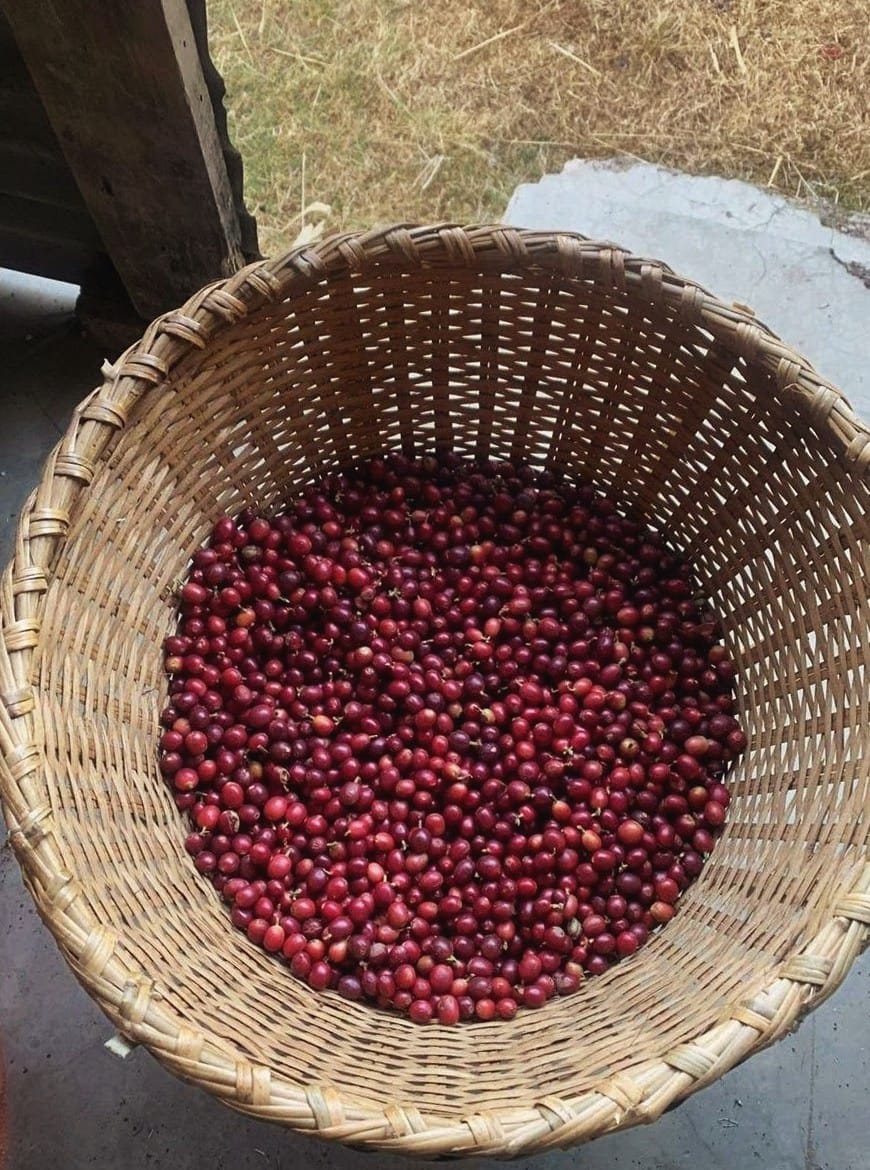
We involve over 200 local farmers in our operations and encourage cooperatives. Through fair trade practices, social support, education, and healthcare initiatives, we ensure that our coffee production benefits both people and communities while promoting sustainable livelihoods.
This is our guiding philosophy. It means empowering Nepali farmers and communities through sustainable practices while sharing the rich flavors of Himalayan Arabica coffee with the global market. Every cup you enjoy helps support both local people and the environment.
100% Organic Arabica Coffee from Nepal
Our coffee is cultivated without chemicals or pesticides, making it a healthier, more natural choice. By growing single-origin organic Arabica beans, we preserve the authentic flavors that can only come from the Himalayan highlands. The result is a cup that is smooth, rich, and aromatic—coffee as pure as the mountains themselves.

Fair Trade and Community Empowerment
When you choose Everest Organic Coffee, you’re supporting more than just a coffee brand. Over 200 local farmers and families are involved in our operations. Through cooperatives and fair trade practices, we ensure farmers earn a sustainable livelihood while receiving support in healthcare, education, and daily welfare.
Your cup of coffee helps uplift entire communities in Nepal.
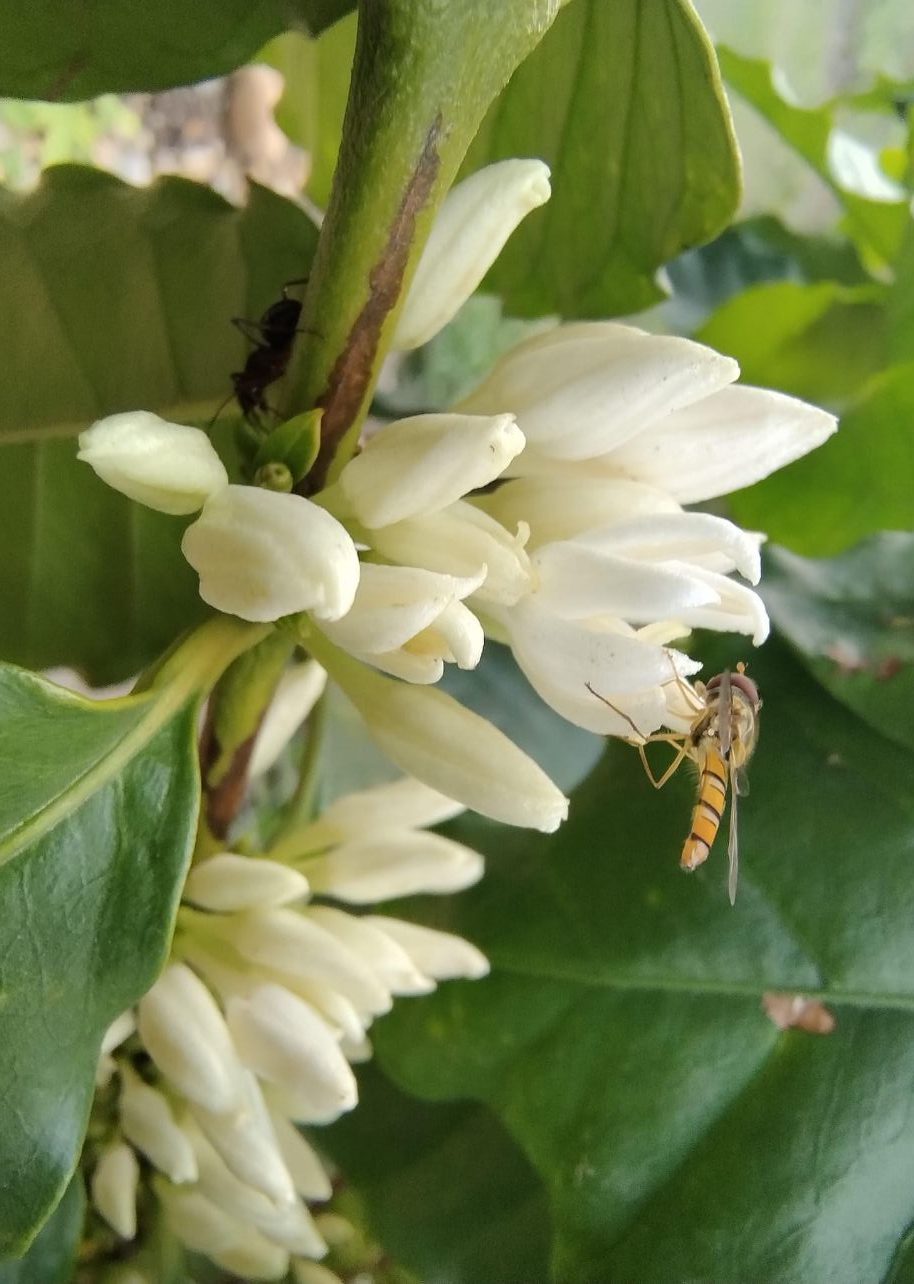
A Blend of Tradition and Expertise
While our roots lie in traditional farming methods, we constantly look forward. With support from international coffee specialists, our farmers are trained in:
- Organic farming techniques
- Post-harvest handling and quality control
- Modern coffee processing practices
This balance of local passion and global expertise ensures our beans meet international specialty coffee standards while staying true to Nepalese heritage.
Why Choose Everest Organic Coffee Nepal?
- 100% Organic Arabica – Pure, chemical-free beans grown in the Himalayas.
- Unique Himalayan Advantage – High-altitude farms producing rich, aromatic flavors.
- Fair Trade & Community Support – Empowering 200+ farmers and their families.
Expert-Backed Quality – Globally trained farmers maintaining world-class standards.
Experience Himalayan Coffee
At Everest Organic Coffee Nepal, our motto is simple: Support Local, Grow Global.
We invite you to experience the best organic coffee from Nepal—a product that connects you to the mountains, the people, and the passion behind every bean.
Debunking The Coffee Myth
Medically reviewed by Dr. Denis Shrestha, Senior Consultant Cardiologist, Critical Care Specialist.
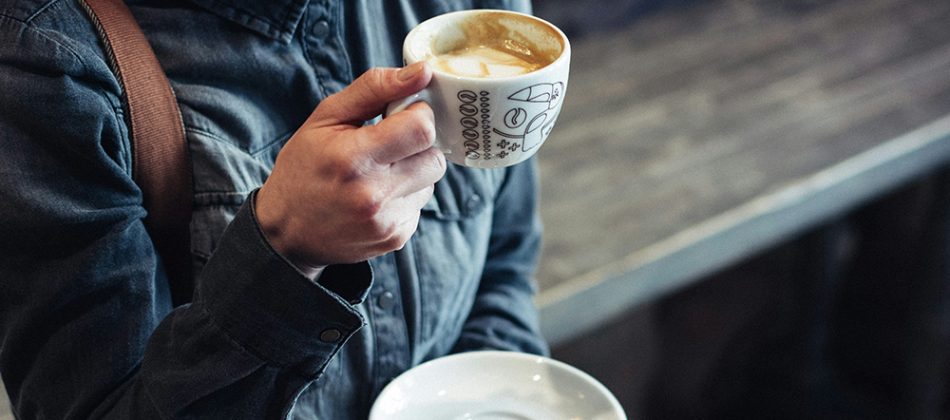
“What goes best with a cup of coffee? Another cup”—Henry Rollins. It’s an open secret that coffee drinking today has become all the rage worldwide. Over 2.25bn cups of coffee get gulped down daily across the globe. In America alone, 87 percent are near or full-on coffee nuts. “There is nothing like a ‘cup of steaming joe’ the first thing in the morning,” says an American friend of mine. “A cup of joe,” meaning coffee, is a derivative from a fusion of two slangs: Java and jamoke.
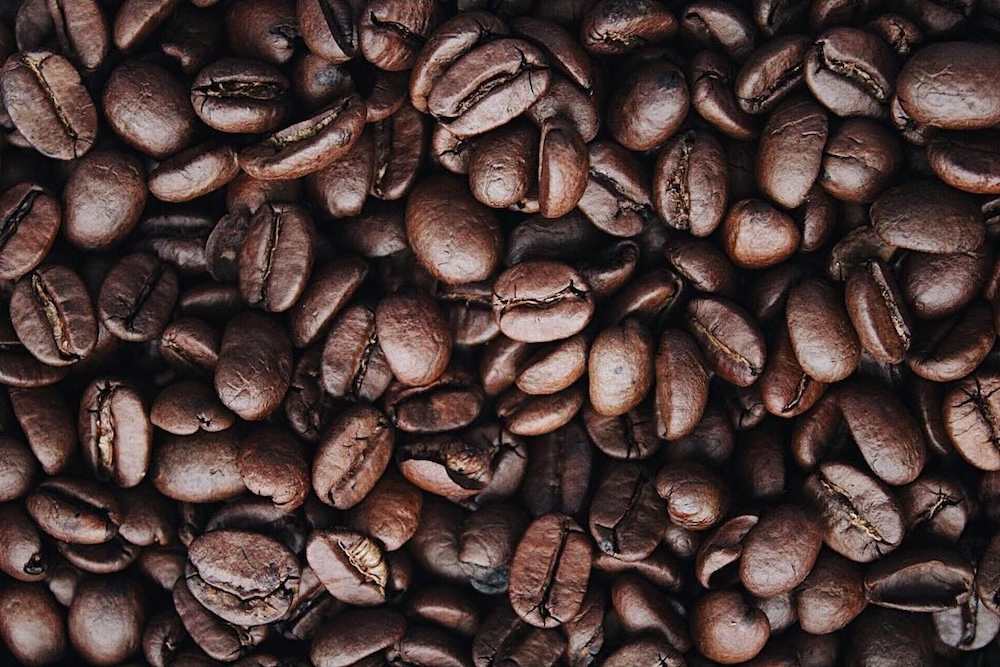
Coffee, also noted for its exceptional aroma, exhilarates the olfactory senses. Lighter roasts give a fruity, flowery, or herbaceous whiff, and medium-roasted coffee beans smack of caramelized, nutty, spicy, or chocolaty flavor. Darker roasts boast that bold, smoky, earthy nuance.
In the 1600s, the Dutch introduced coffee to Southeast Asia by planting seedlings on islands like Bali, Sumatra, and Java. Ultimately, Java became a generic expression for coffee but no longer referred to coffee from the Island of Java.
Some novel facts about coffee you probably didn't know:
- An Ethiopian Goat herder discovered coffee centuries ago.
- Bees love coffee.
- Kopi Luwak, one of the most expensive coffees in the world, was first discovered in Indonesia by farmers while picking coffee cherries off their trees. The farmers accidentally ran into the coffee fruits, which were swallowed and excreted by the Asian Palm Civet. The farmers separated the beans from the cat poop, washed them well, and roasted them to sell at an exorbitant price—a cup of Kopi Luwak coffee costs between $35 and $100 today.
Some two decades ago, coffee drinking in the developing countries of the Asian continent remained remote and looked like a privilege enjoyed by those in the know. Coffee drinking held an elite status, considered a cult amongst the elite. However, even smaller Asian cities today are booming with coffee culture, revamping the urban lifestyle.
When the issue of coffee crops up, you are spoilt for choice with the horde of Java blends modern-day coffee joints serve. From espresso, mocha, cappuccino, latte, Americano, and a Frappuccino to mind-boggling flavor pairings, whether with ice cream, choco-bits, rich cream, marshmallow, nuts, fruits, you name it. If the potpourri of toothsome flavors strikes you dumb, watching the barista knock up your blend with a flourish is nothing less than stimulating.
On the flip side, nothing compares to the elegant simplicity of regular black coffee regarding its health benefits, as dressing your coffee with cream and sugar or the gamut of fancier concoctions only risks negating the health benefits.
Albeit an instant brew outstrips when it comes to cost and ease, the flavor and quality of freshly ground (Arabica) coffee beans stand second to none. There is, however, so much choice out there to ground coffee; each bean variety carries a unique zing.
Coffee drinking has been, however, long the topic of debates and clashing feedback regarding its impact on health. And the primary reason for this controversy lies in its caffeine content. It’s time to separate fact from fabrication and dig into this myth surrounding coffee consumption.
From 1991 to early 2016, the WHO categorized coffee drinking as a potential carcinogen running a risk of cancer. That further fueled the fire and frustrating news for the java aficionados. But with the ensuing years, the science-backed and peer-reviewed studies came up with promising results for coffee drinking—more vital than ever and with salutary implications.
The newer studies highlighted that coffee, touted as a vehicle for caffeine detrimental to health, had a lot of sunny side. With time, for its potential health benefits, it breezed into a daily meal plan for most.
In 2020, an article by Dawn MacKeen in the New York Times reported: “In moderation, coffee seems to be good for most people — that’s 3 to 5 cups daily, or up to 400 milligrams of caffeine.” With evident health benefits, the FDA (US Food and Drug Administration) also recommended 400 milligrams a day—four or five cups of coffee—as safe with no adverse effects.
Since coffee may slightly raise the heart rate, people may assume it could trigger or worsen specific heart issues, giving coffee drinking an unwarranted rap. As such, experts suggest that daily coffee intake shouldn’t be discouraged but rather included as a part of a healthy diet for people with and without heart disease,” said Peter M. Kistler, MD, professor and head of arrhythmia research at the Alfred Hospital and Baker Heart Institute in Melbourne, Australia.
“The overall evidence has been pretty convincing that coffee has been more healthful than harmful in terms of health outcomes,” said Frank Hu, chairperson of the Department of Nutrition at Harvard T.H. Chan School of Public Health, in 2021.
He further manifested that moderate coffee intake—about 2–5 cups a day—is linked to a lower likelihood of type 2 diabetes, heart disease, liver, endometrial cancers, Parkinson’s disease, and depression. It’s even possible that people who drink coffee can reduce their risk of early death. The updated findings even linked to a lower risk of coronary heart disease in coffee-drinking women.
With the higher incidence of colon cancer in men and women (1.3: 1 ratio), newer research has found that colorectal cancer is less likely to develop in coffee-drinking people.
According to AHA (American Heart Association), “Just a couple of calories a cup, good old black coffee packs quite a punch. It wakes you up, boosts your metabolic rate and decreases the risk of some diseases.”
Let’s take a look at science-backed substantiation of coffee-drinking health benefits that seem to stack up:
- Coffee’s caffeine content nurtures your energy level, supports your weight loss, and hones your mental focus. Regular coffee intake helps improve mood, endurance, and performance during workouts.
- Coffee came to be associated with a lessened risk of Type 2 diabetes and Parkinson’s disease. Another startling discovery surfaced that caffeine defended against or slowed down the process of dementia and Alzheimer’s disease. (Source: British Heart Association)
- Meticulous scientific studies have further complemented coffee’s antioxidant properties, which help safeguard our cells against free radicals and guard against heart disease, cancer, and other chronic conditions.
- Even higher consumption of coffee—caffeinated and decaf alike—may relate to low mortality. The regular intake of coffee worked wonders against the nervous system and helped discourage suicidal tendencies.
- Coffee drinking (black with no sugar or sweeteners) promotes cognitive function, enhancing memory, attention, response time, and creativity.
- Be it regular or decaf, coffee protects our livers. Advanced research has shown that coffee drinkers are likelier to have healthy liver enzyme levels than those who do not drink coffee.
Also Read : Everest Organic Coffee Nepal: Taste the Himalayas in Every Cup
Caveat: To sum up, the goodness of coffee drinking unquestionably has busted a string of myths girding it. However, coffee lovers should also perceive caffeine as dangerous if consumed excessively. Inordinate caffeine input can lead to jitters, anxiety, and disintegrated sleep patterns.
So, temperance or moderation is vital to tuning coffee consumption into a healthy diet. Unless you are highly sensitive to caffeine, a few cups during the day should not affect your sleep pattern. However, avoiding coffee about six hours before bedtime is probably best. Always consult a healthcare professional for individualized advice and guidance.
While caffeine is not bad for senior adults, limiting coffee intake to no more than four cups a day is advisable. Excessive coffee intake stimulates the nervous system and is likely to cause heartburn, anxiety, headaches, restlessness, dehydration, and elevated heart palpitations: Mayo Clinic.
Caffeine consumption is also linked with adverse effects on calcium metabolism, possibly causing diminishing calcium absorption in the body. However, coffee drinking in moderation is of slight concern vis-a-vis bone degeneration, a natural biological phenomenon.
However, coffee fads need to take calcium-rich food like dairy products, citrus fruits, fish, and nuts, to name a few, to negate the effect of caffeine on our bones. (americanbonehealth.org)
Also, get yourself into a routine workout to pump those endorphins and strike a balance between your diet, including coffee, and a healthy lifestyle.
Disclaimer: The views expressed in the above text are solely research-based, not medical advice; the author solicits readers’ discretion and cross-references or consulting a healthcare provider for further confirmation.